



















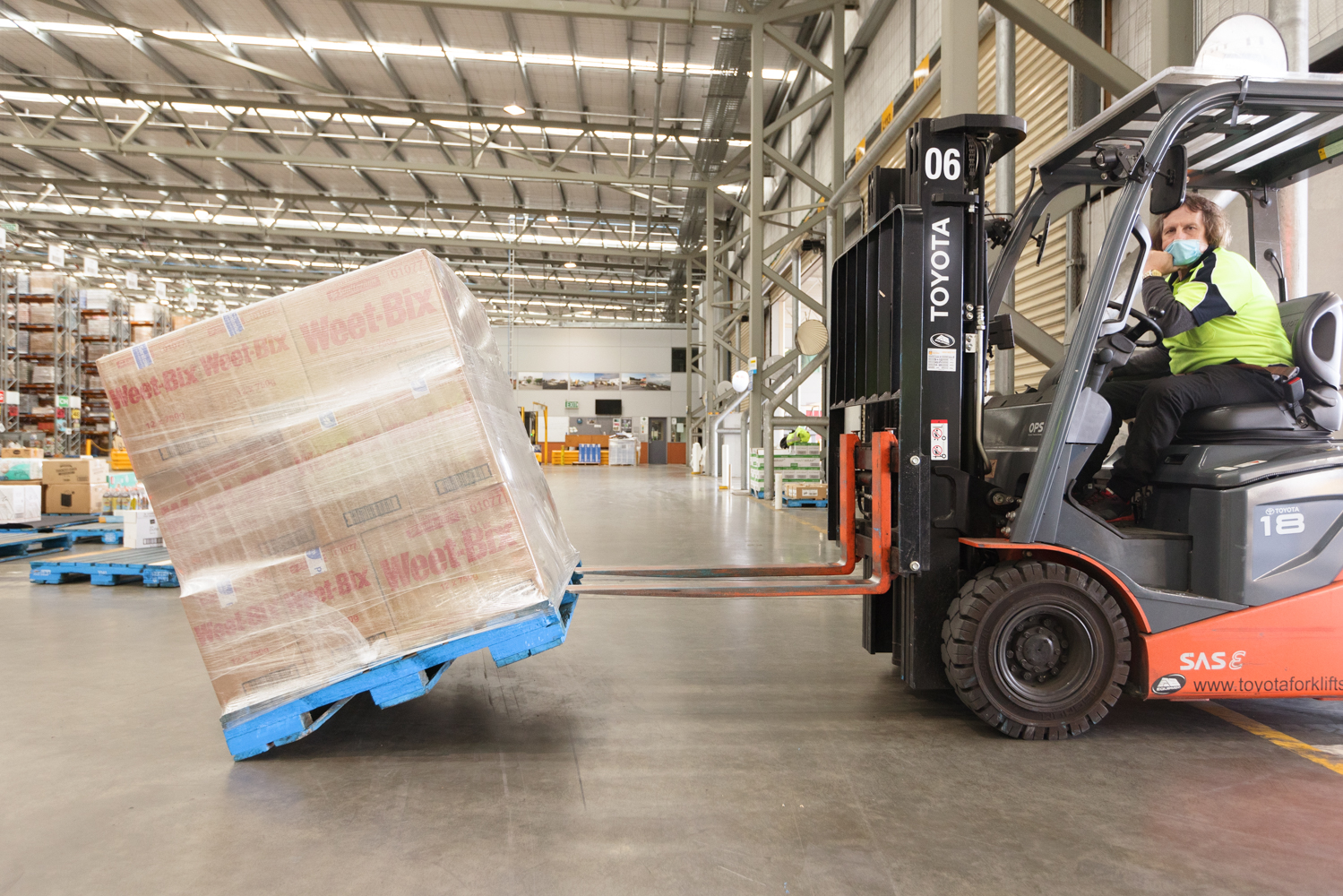
1. How much is too much when it comes to product damage from incorrectly wrapped pallets?
Research shows there is approximately $1 in product damage for every $1000 worth of goods shipped. This can certainly add up – if $25,000 of products is shipped each day the loss over five years will be approximately $30,000. It may be that the current cost of replacing these damaged products is within the acceptable limit. However it pays to consider the big picture costs too. Every pallet of returned goods has a disappointed, irritated or flat out angry customer waiting on a replacement. Every return trip also costs more in transport costs and carbon emissions. You may not be experiencing the $1 in $1000 scenario. But that doesn’t mean product damage isn’t affecting the bottom line.
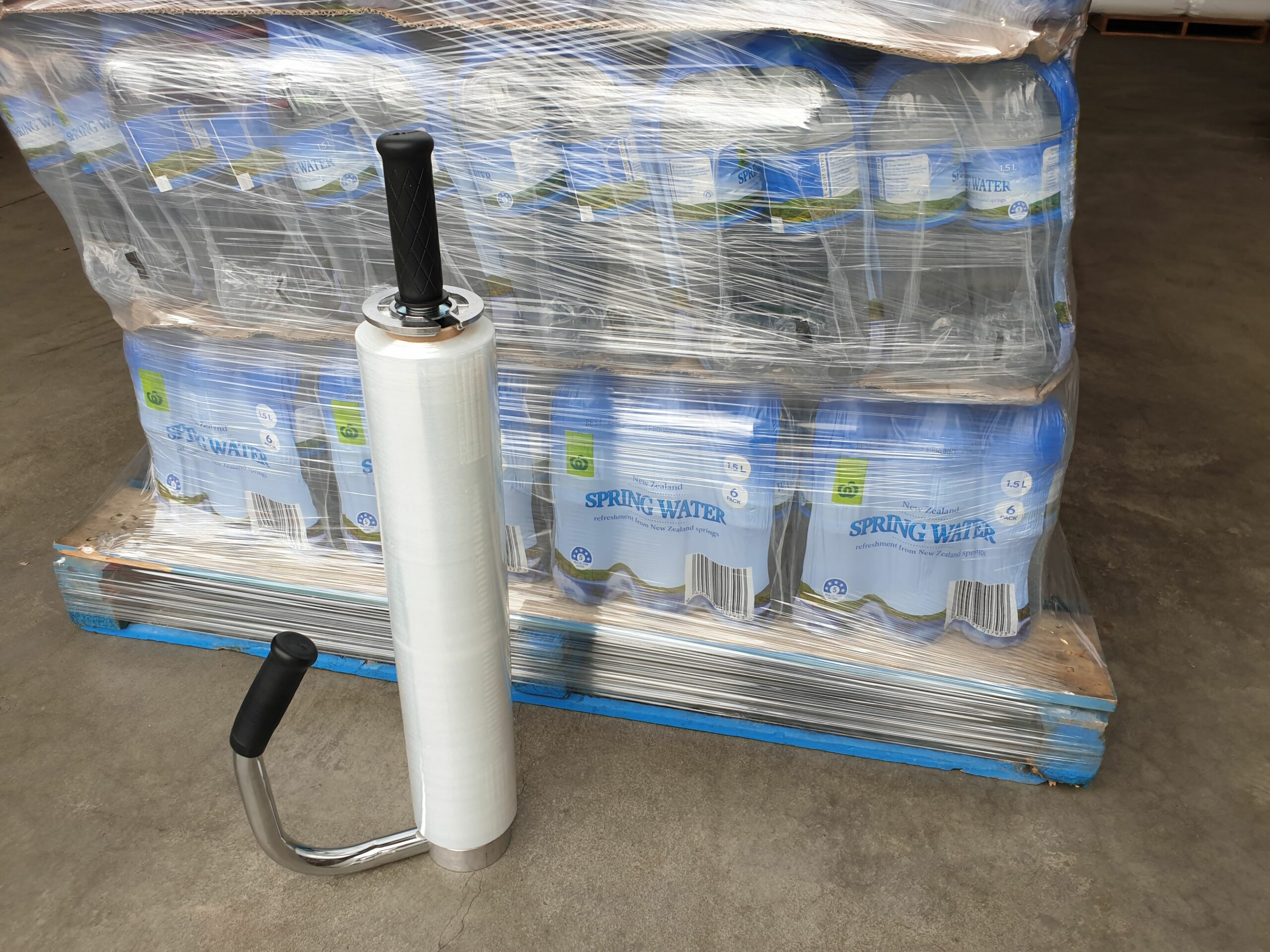
2. Is your pallet film use consistent? And, if so, do you know it that’s consistently good or consistently bad?
Wrapping pallets by hand is notoriously difficult to get right consistently for a long period of time. Changes in pallet contents and shipping demands can affect how much wrap is needed per pallet and, of course, how much wrap is needed isn’t necessarily how much is actually used. That’s because human application is always open to emotion and error. News of product damage may spur extra wrap use – a solution that isn’t actually needed. The speed necessary to keep up with throughput may result in shortcuts with less wrap used and subsequent product damage. Over the course of a year these fluctuations in film use can drastically affect wrap time, product damage and overall costs. Sometimes the only way you’ll know us by auditing products shipped and wrap used. And even then it may be costly or unclear. Here the consistency of a pallet wrapper makes all difference – however this wrapper will need to be correctly optimised for your pallets to ensure the right result.
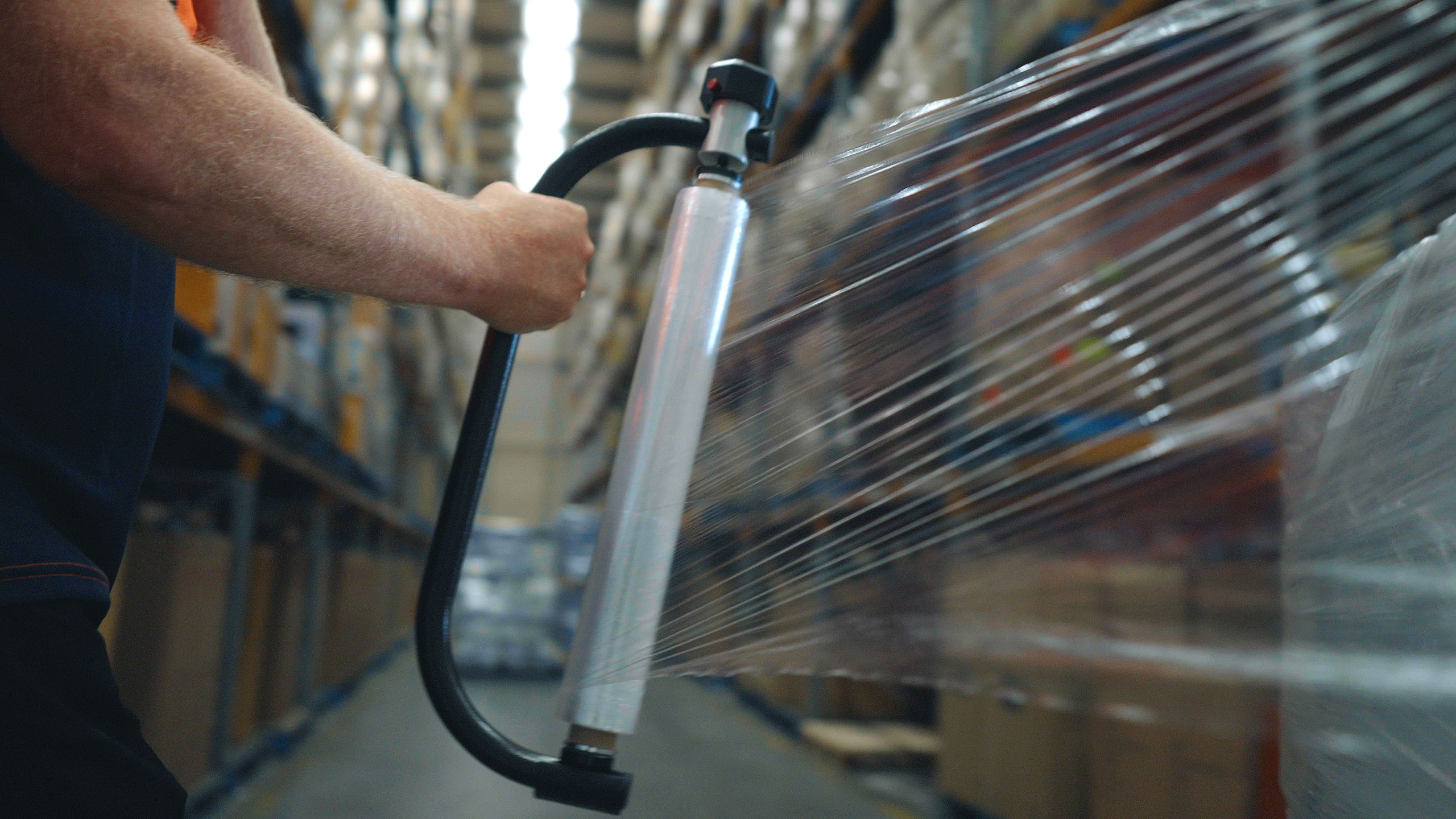
3. How do your hand-wrapping processes affect other areas of operation?
For companies with average or high staff turnover it can be difficult to correctly train team members so they can quickly, safely and correctly wrap each and every pallet. Sometimes even the best hand wrappers will struggle with increased throughput however and, being at a crucial conduit point in the operation, this can dramatically affect everything else within the distribution centre. Thankfully these bottlenecks can be easily fixed – click here to see how one leading Kiwi brewery fixed their issue.
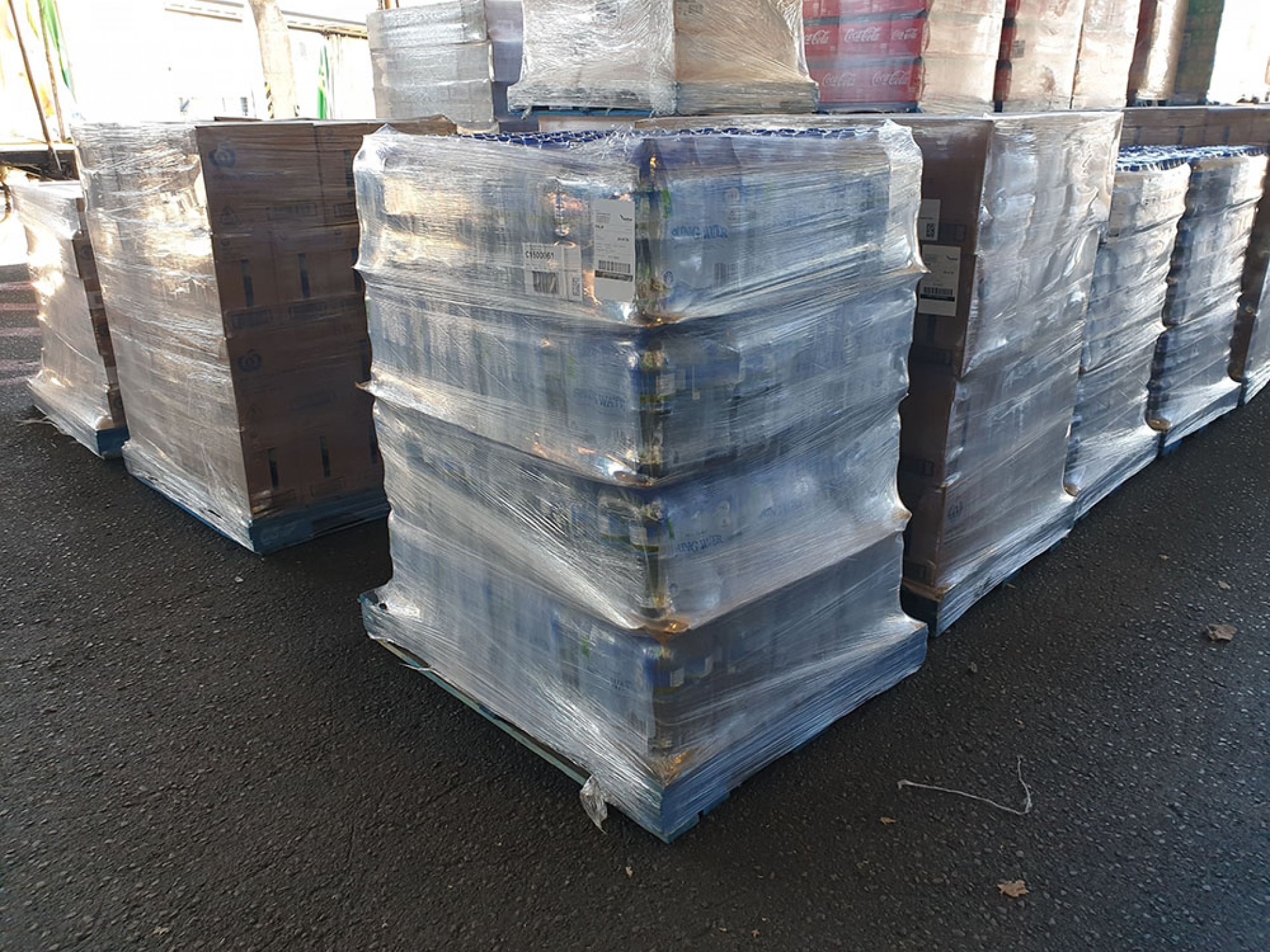
4. How much are you sending – and what are you sending?
If you are wrapping between one and fifteen pallets each day the chances are that continued hand-wrapping is a cost-effective approach to your pallet security. However if these pallets have contents that are heavy or unsteady the load security provided by specialist pallet wrapping equipment may be necessary. However if you are sending out between 15 and 50 pallets each day, semi-automation is in all likelihood a far more efficient (and cheaper) approach. Consistent, secure wrap will ensure protection of pallet and peace of mind. With careful analysis we can provide a comprehensive ROI report on an entry-level pallet wrapper and ensure you’re using the right tool for the job.
5. Should you try before you buy?
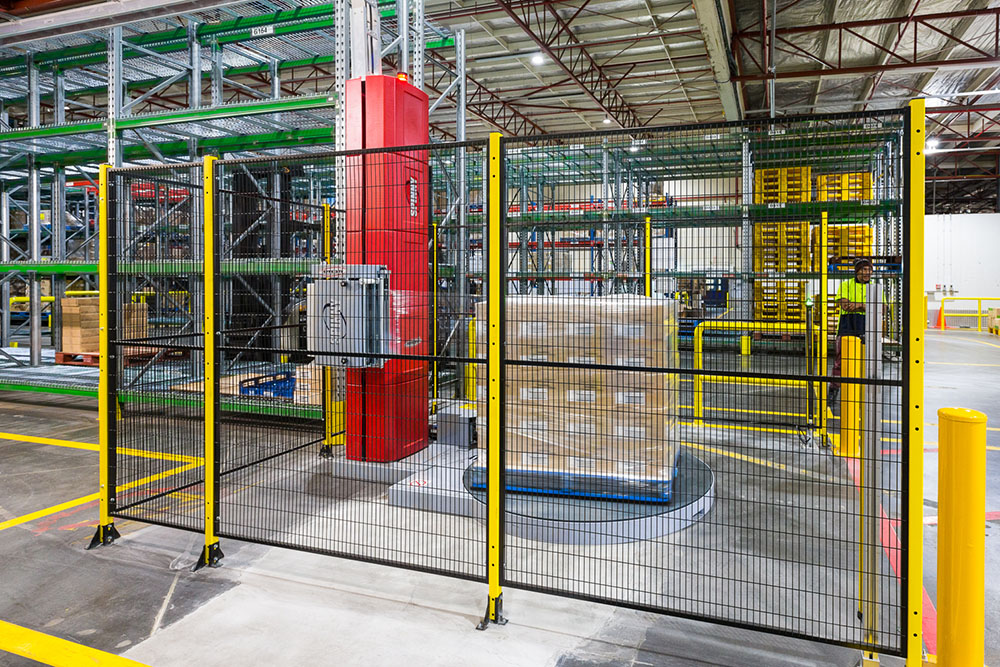
It’s easy to ask around and visit other distribution operations to see various pallet wrappers, and there are plenty of online resources to see the equipment in action too. However it is more difficult to assess the unit’s capabilities within your unique operation. This is why we can often offer leasing or lease-to-own arrangements for customers who either want to boost pallet packaging or make the move from hand wrapping. Leasing can be both short and medium term, depending on the unique requirements of the business. For many companies a lease-to-own option is an easier approach to managing the costs. These are generally based on a 36-month schedule, and weekly payments over this time help spread the cost of the pallet wrapper while delivering all the gains in productivity, profit and pallet protection. To see more about how semi-automation might be important to your operation click here to read our covering the costs article.